Products
Focused on water treatment, providing comprehensive environmental equipment and technical solutions
Focused on water treatment, providing comprehensive environmental equipment and technical solutions
Independently developed KtLM, KtIC and other series products, widely used in municipal and industrial wastewater treatment
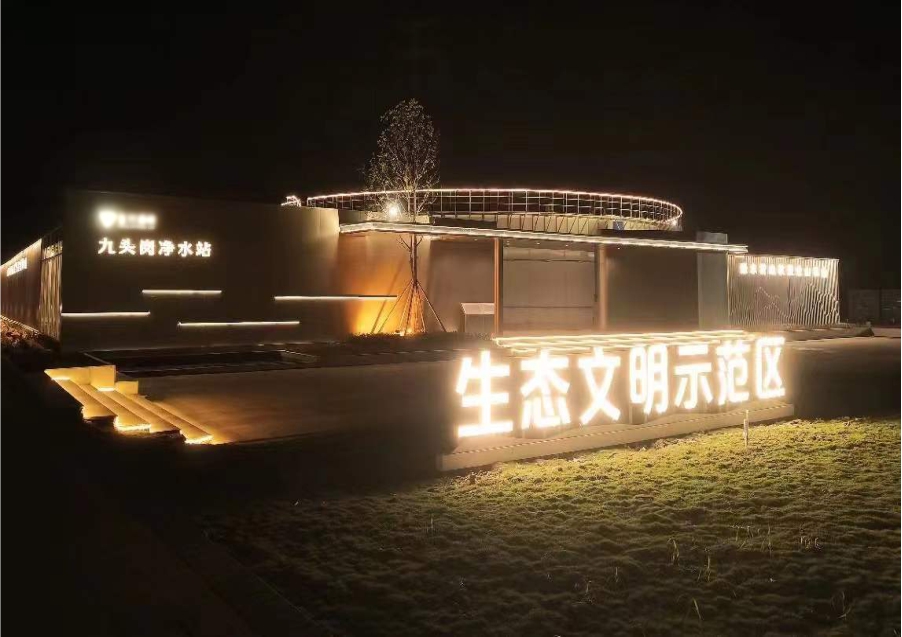
Multi-stage precision filtration technology; effluent quality meets National Class 1A standard
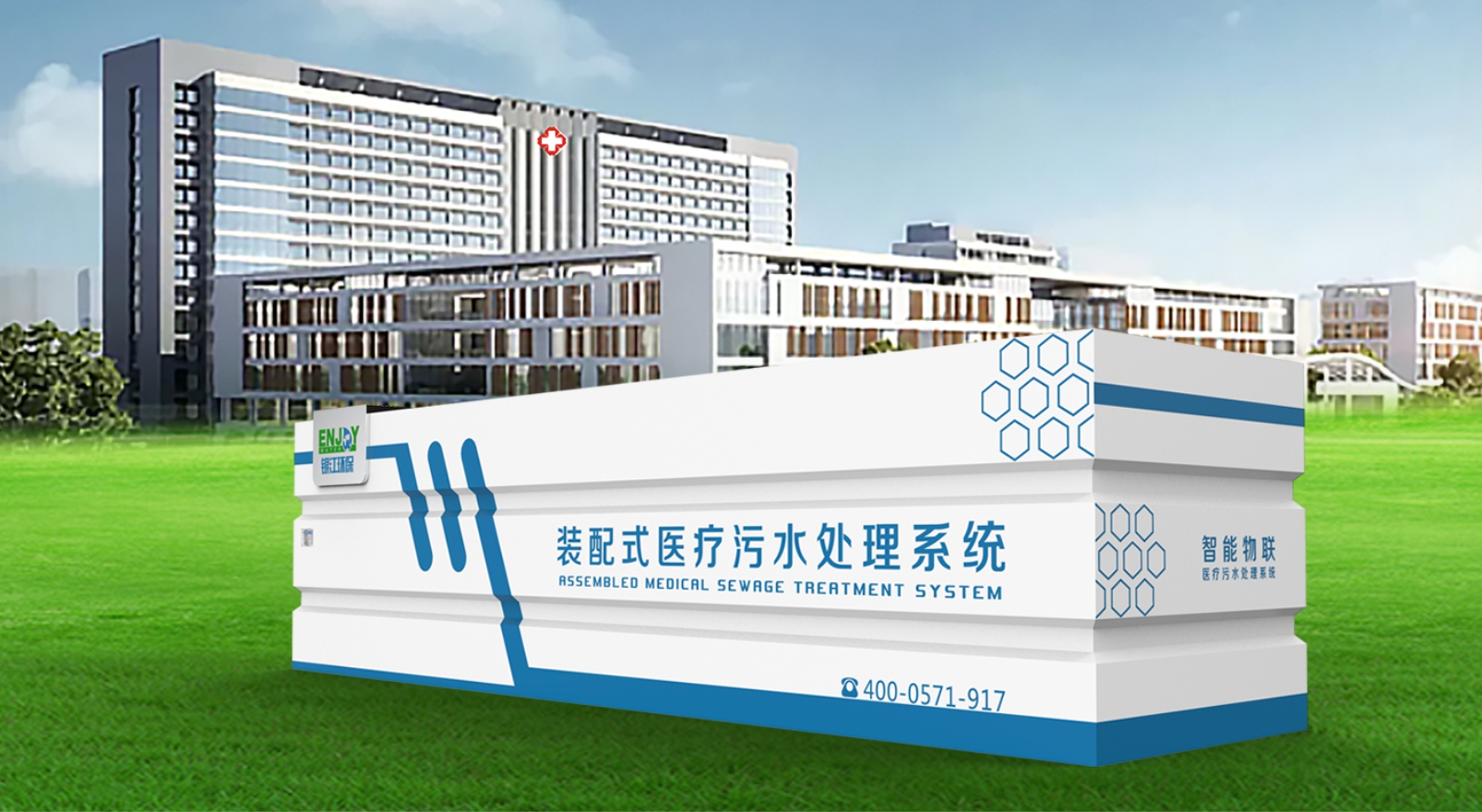
Integrated design, small footprint, fully automated operation
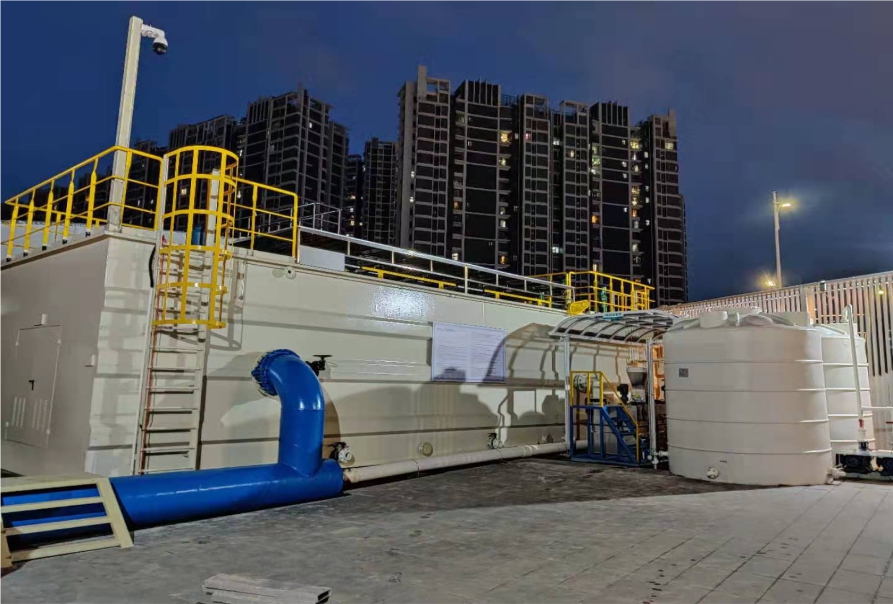
IoT-based remote monitoring and intelligent control
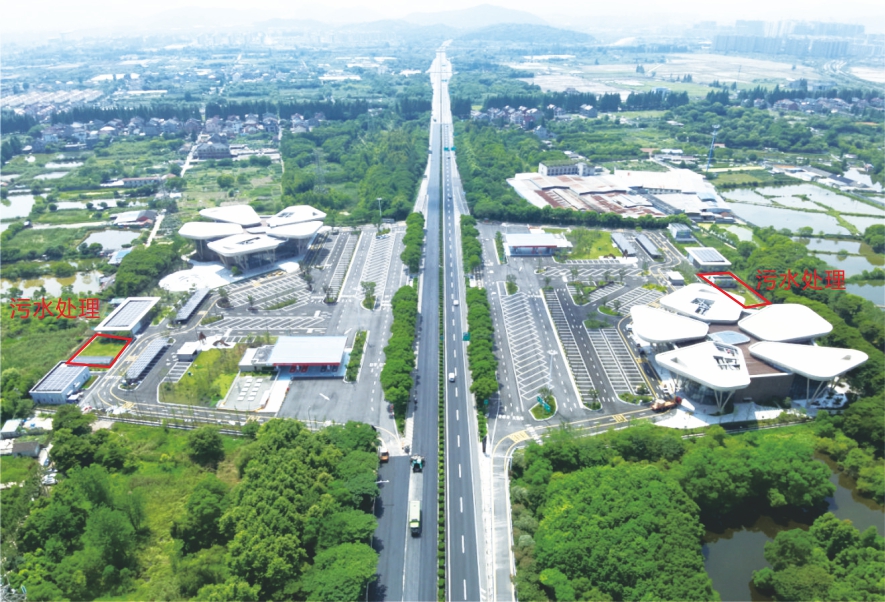
High-efficiency membrane separation technology, suitable for high-concentration organic wastewater treatment
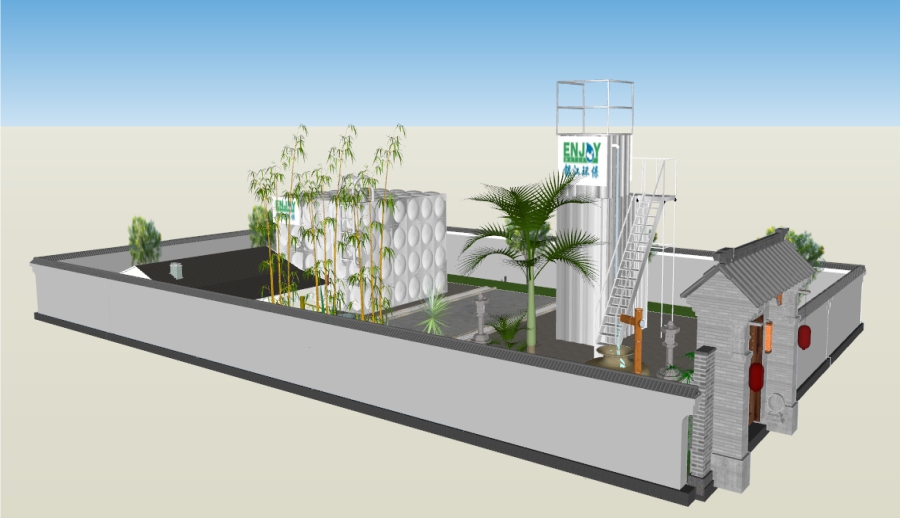
Suitable for rural villages, tourist areas, and other decentralized wastewater treatment scenarios
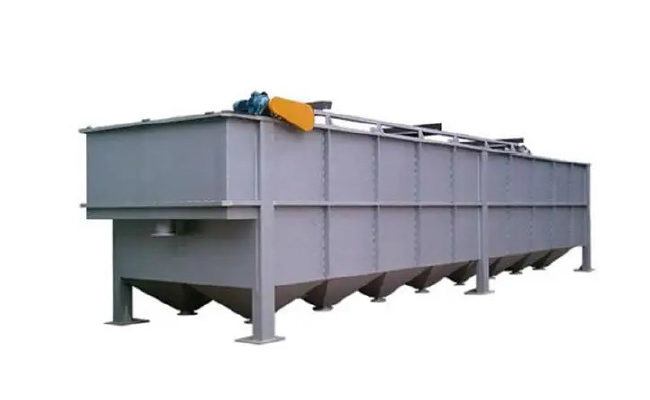
Vortex Air Flotation uses the aerator working principle, where the high-speed rotation of the diffuser impeller at the bottom of the air delivery tube creates a vacuum zone in the water. Air from the surface is drawn in to fill the vacuum, generating microbubbles that rise spirally to the surface, simultaneously dissolving oxygen into the water.
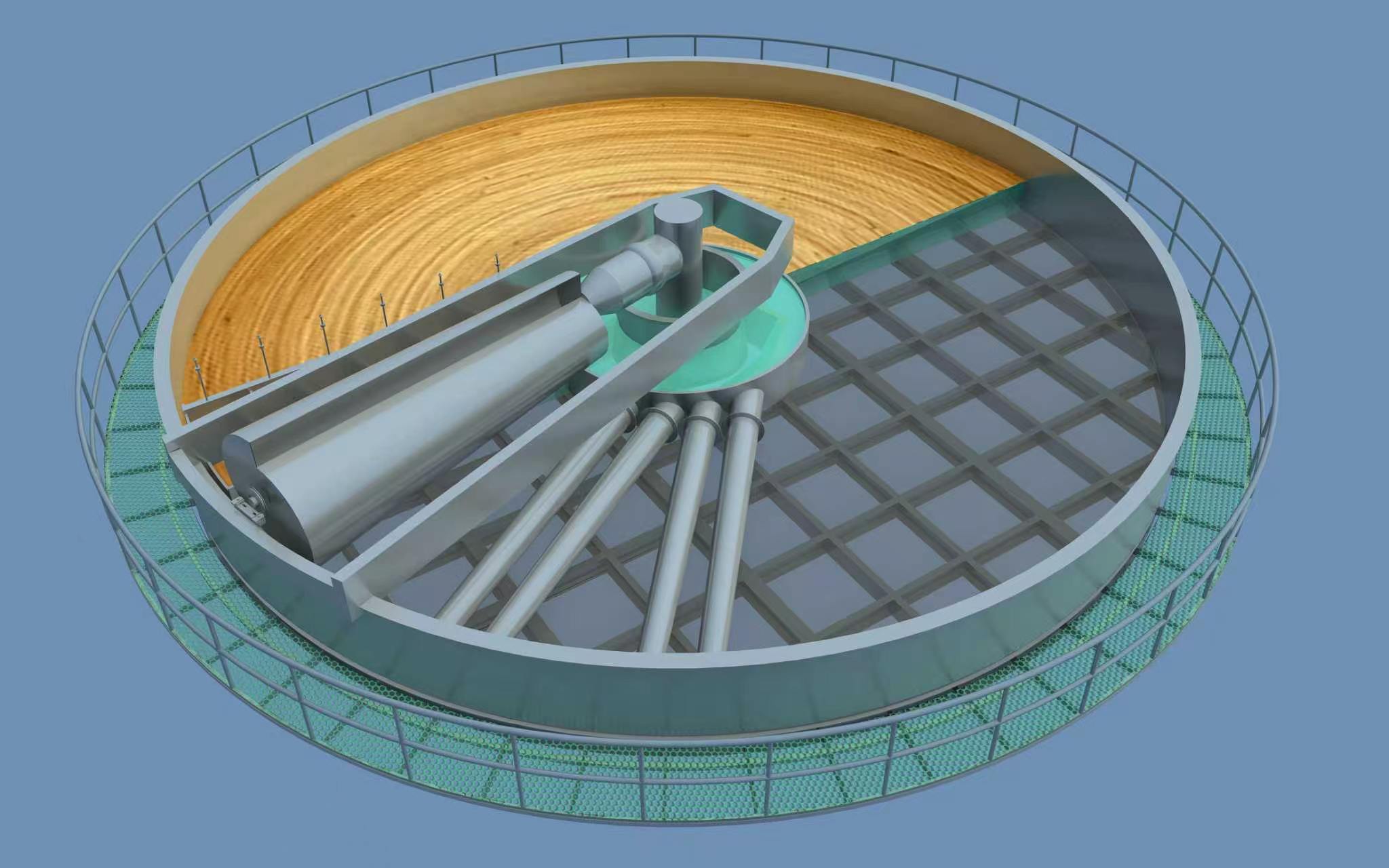
An advanced rapid flotation system that, building on traditional flotation theory, successfully applies the "shallow layer theory" and "zero velocity" principle. The main unit comprises the tank, rotating water distribution mechanism, dissolved gas release mechanism, frame mechanism, and water collection mechanism.
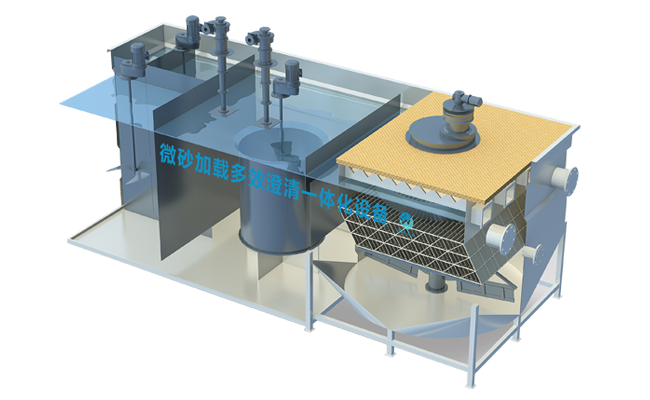
A new process equipment built upon existing high-efficiency sedimentation tanks, using micron-grade refined quartz sand as a carrier to enhance the water treatment effect.
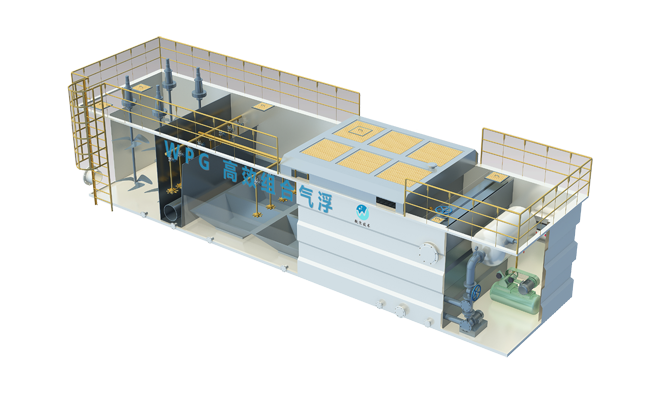
The WPG combined flotation unit consists of a flotation tank, dissolved gas system, dissolved water return pipeline, dissolved water release device, sludge scraper, and electrical control system.
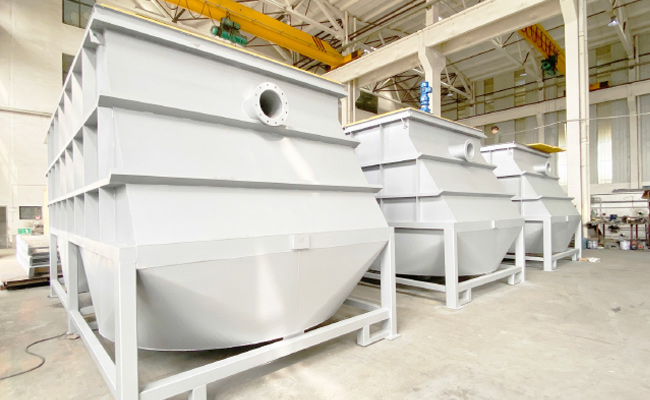
The Lamella clarification system is based on the "shallow pool theory" proposed by German Professor Hazen in the early 20th century. Its core principle states that settling capacity is related to the settling tank area, not its depth. The lamella settling area is the cumulative projected area of inclined plates.